

Taking care of your cycling clothes is important. If you take care of your clothes, you will be able to enjoy them for longer and always stay comfortable cycling.
For us, caring about our clothes is not only about how you as a consumer treat the clothing. We are also talking about various properties of the clothing itself. For instance, it retains its color well and the material is stretchy. On this page, we explain how you can best care for your cycling clothes. We give you information about the basics and some useful tips to keep your cycling clothes in new condition for a long time!
Cycling clothes are often made of delicate materials. Although they protect you in changing weather conditions, the used materials need specific care to keep doing so. If we want our clothes to take care of us, we need to take care of our clothes. Below, we will first discuss some general things, before going into our specific product categories.
Before washing
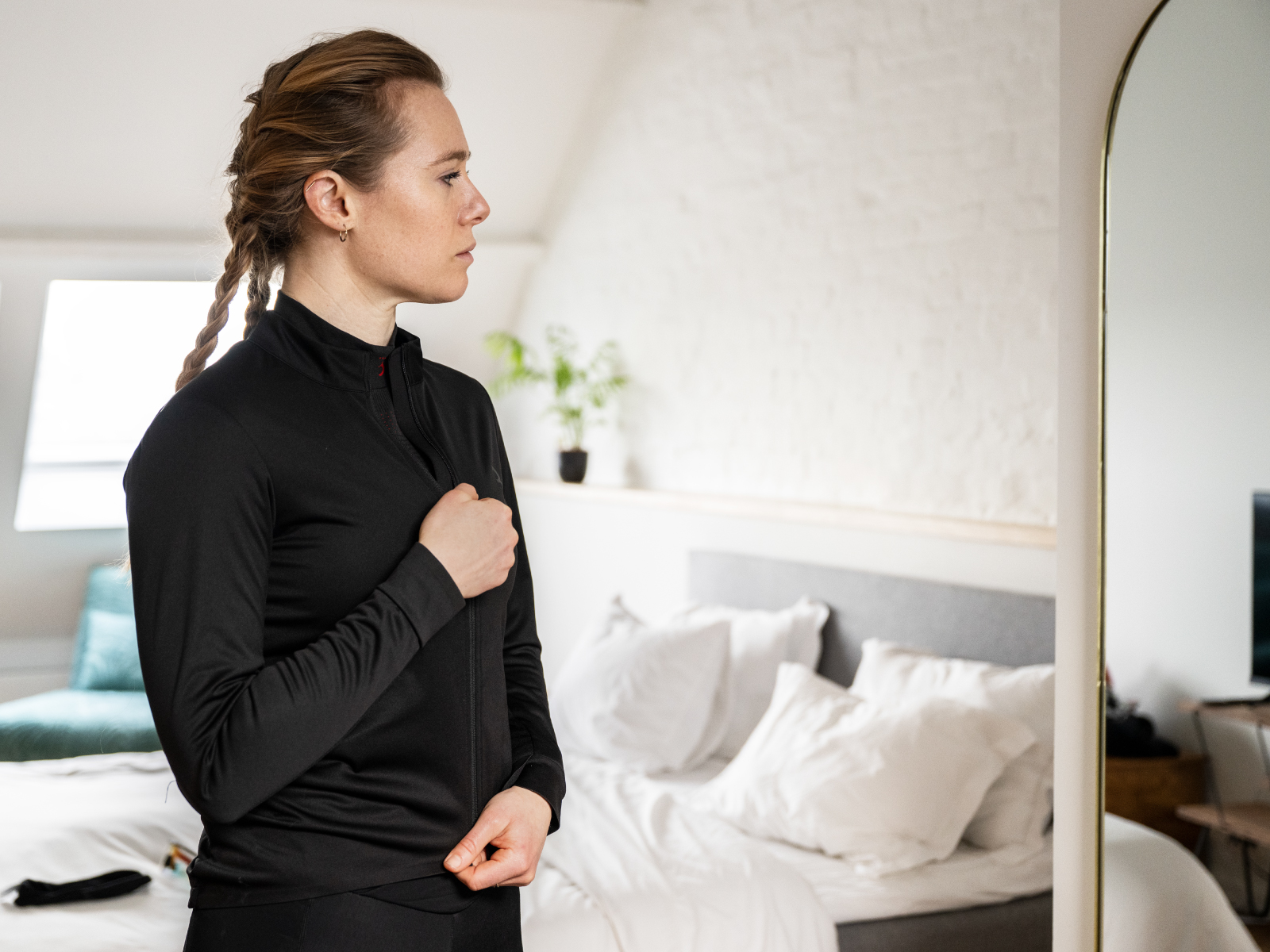
Does your garment really need to be washed? Unfortunately, we can’t answer that for you, but keep in mind that washing clothes, especially in a machine, can gradually wear down the materials. On the other hand, letting dirt and sweat sit in the fabric isn’t ideal either. The choice is yours. Sometimes, a small stain can be easily spot-cleaned with a bit of warm water and soap. Make a conscious decision about whether to wash your apparel to remove dirt and sweat or to wait a bit longer to preserve the garment.
While washing
Since most of our apparel is made from delicate materials, hand washing is the best option to ensure your garments are cleaned gently and don’t get damaged by a machine cycle. However, we understand that hand washing every item may not always be practical. Using a washing net and selecting a delicate cycle on your washing machine can be a good alternative. This approach helps protect the materials from the machine’s movements and from contact with other clothing in the wash.
Always choose a very low washing temperature. For all our apparel we advise a maximum of 30 degrees Celsius.
Wash your apparel with other clothing of the same color. Just like basically every other garment it is best to wash the same colors together. This way, you can retain the vibrant colors for longer.
Fabric softeners can damage the delicate fabrics of your cycling apparel, so we recommend avoiding them entirely. Some laundry detergents also contain softeners, so be sure to check the label to confirm there are no added softeners, or consider using a detergent specifically designed for sports clothing.
Drying and storing
Always air-dry your garments and avoid using a tumble dryer, as the high heat can seriously damage the materials. Since cycling apparel is often made from lightweight fabrics, it dries relatively quickly on a clothesline. For best results, dry your items indoors and out of direct sunlight.
Proper ventilation is essential when storing your apparel, especially during the off-season. How you store your cycling garments has a major impact on their lifespan. Good ventilation helps prevent mold and bacteria growth, so avoid storing items in plastic bags. A closet that is opened and closed regularly will provide enough airflow to keep your apparel in good condition.
Always try to avoid direct sunlight. Sunlight can damage the materials of your apparel. Long periods of sunlight can fade the colors of the materials. It means that while drying or storing your apparel, try to hang or store them in the shade.
Shorts and tights
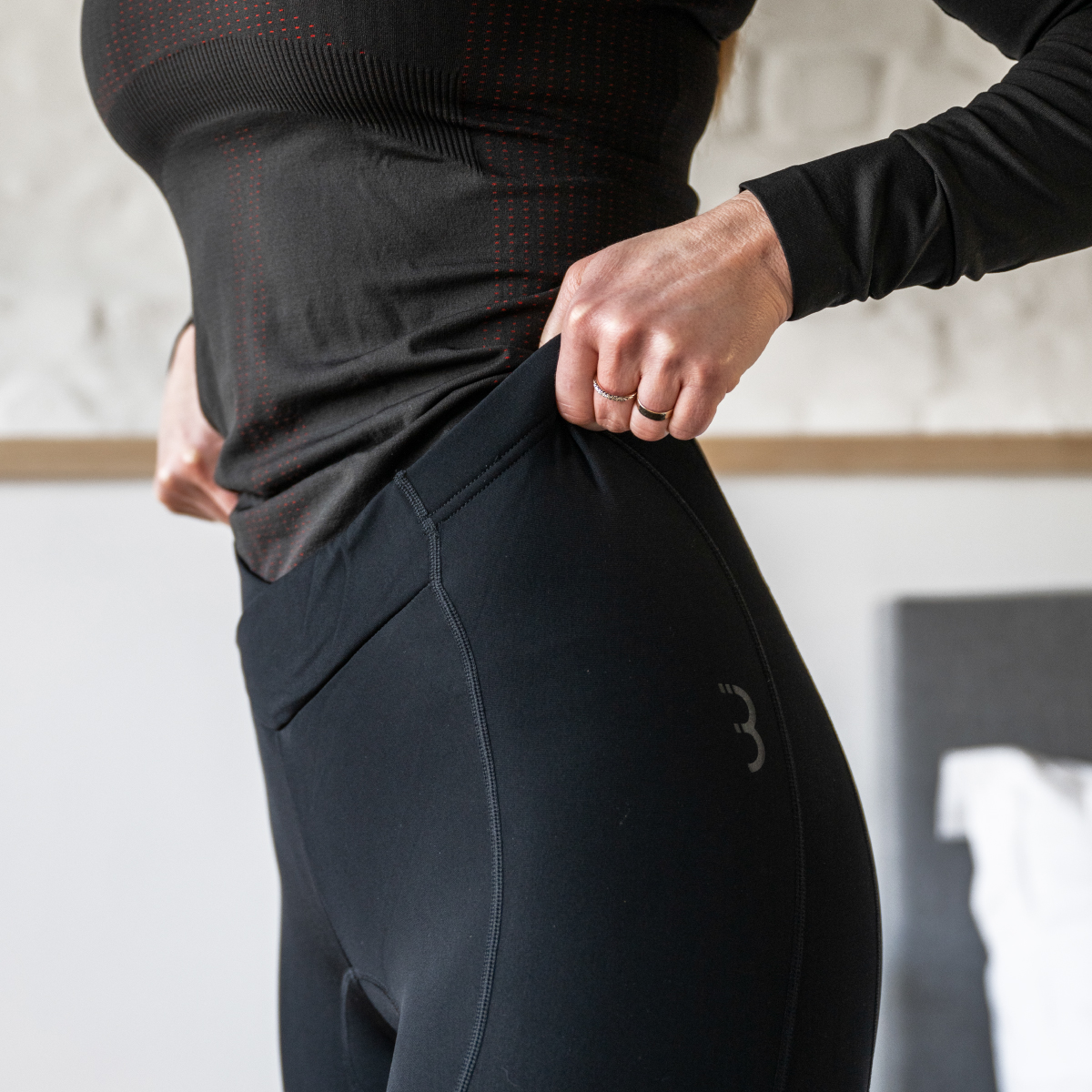
Caring for the padding in your cycling shorts is essential. To prevent bacteria from settling, it’s best to wash your cycling shorts immediately after each ride. Hand washing with a detergent free of fabric softener is ideal, though we understand that may not always be practical. If you use a washing machine, be sure to turn your cycling shorts inside out. Avoid fabric softener entirely, as it can affect the fabric's stretchability.
Jerseys
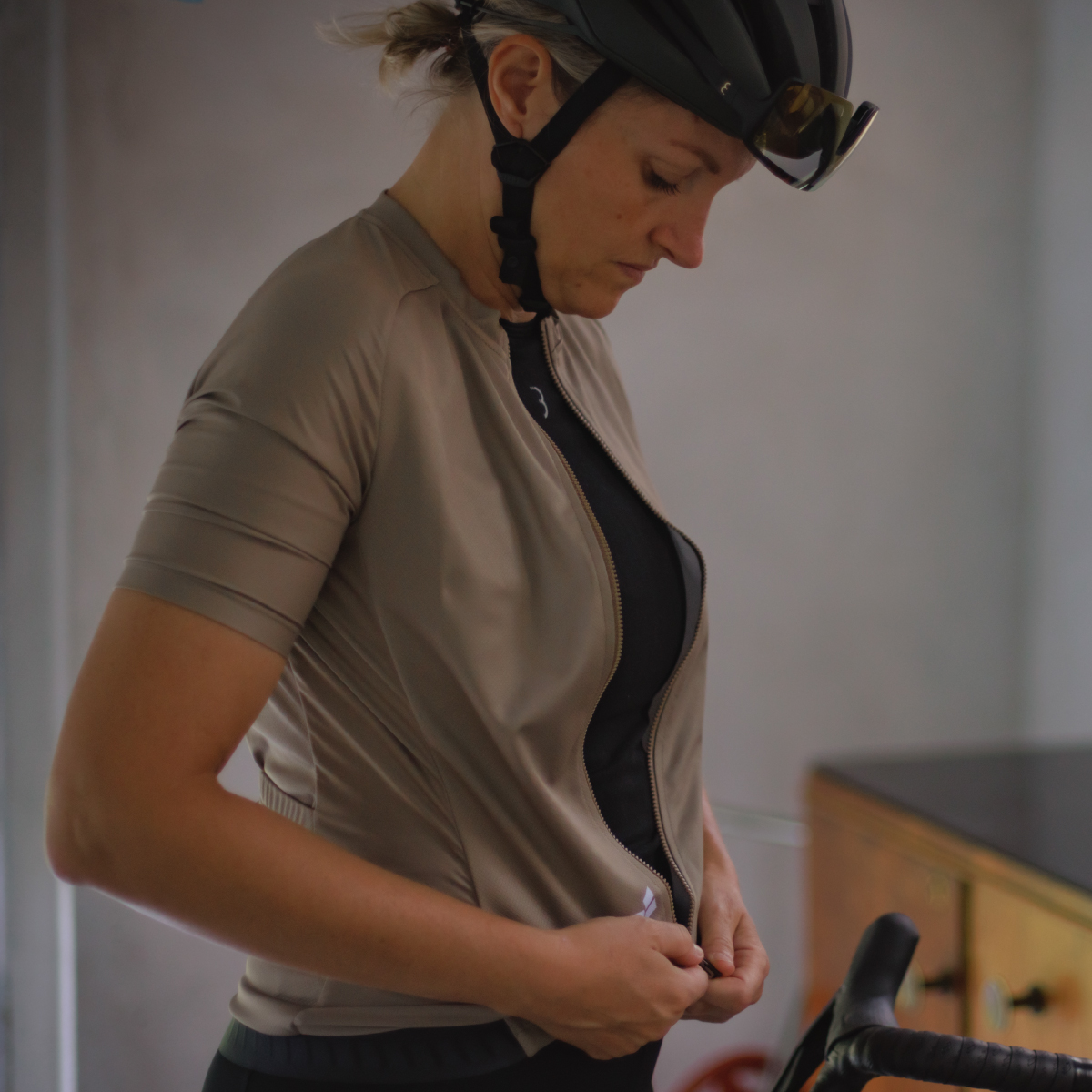
Fabric softeners can immediately affect the delicate materials of your jerseys, so always use a detergent without softeners. Additionally, make sure all zippers are closed to prevent snagging on the fabric. Washing your jerseys inside out will further help protect the outer material.
Baselayers and socks
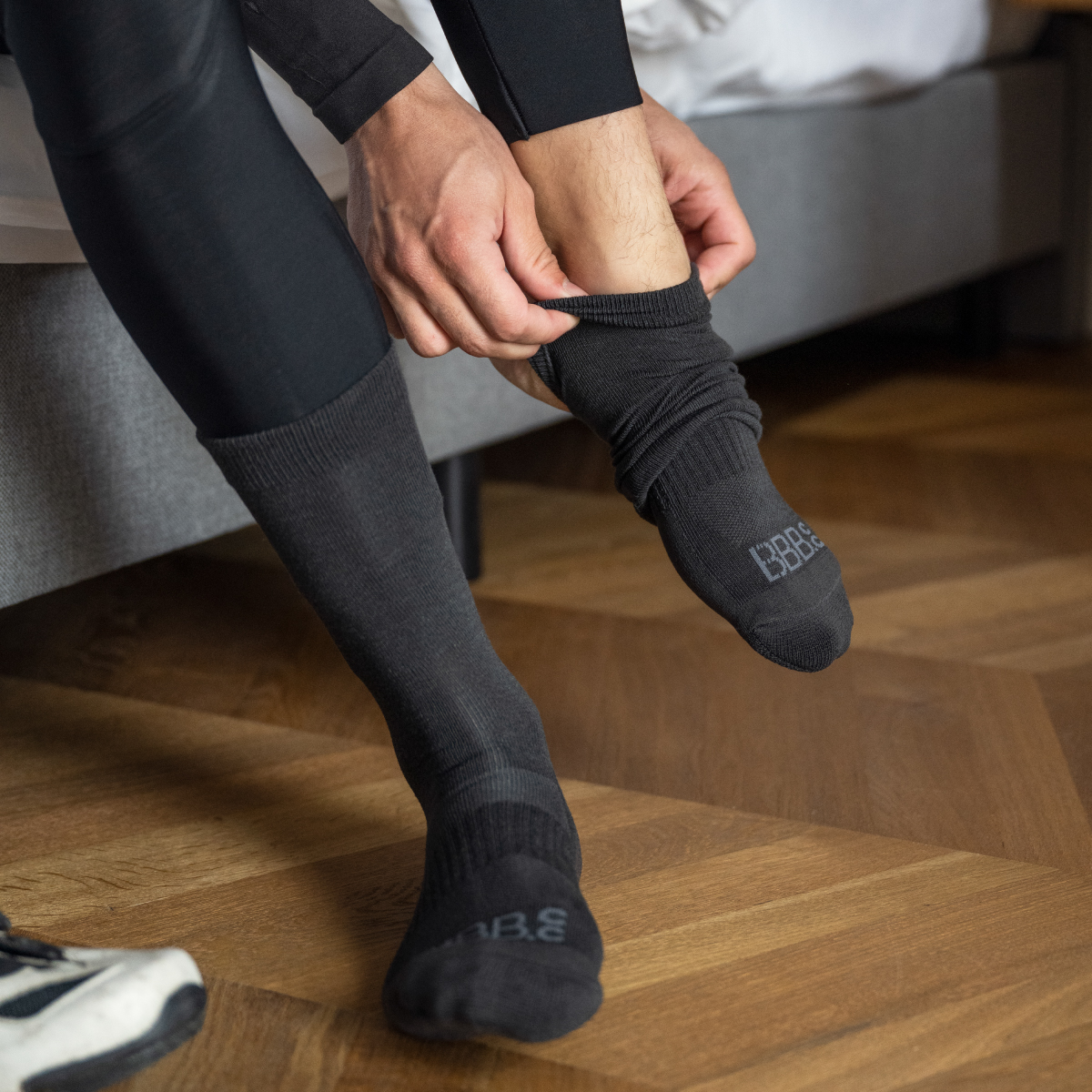
Although baselayers and underwear are relatively simple garments, proper care will greatly extend their lifespan, as they’re often made from delicate materials. The general washing, drying, and storage instructions apply to these items as well. Keep in mind that baselayers and socks tend to absorb more sweat than other garments, so it’s best to wash them promptly after your ride to prevent bacteria growth.
Winter clothing
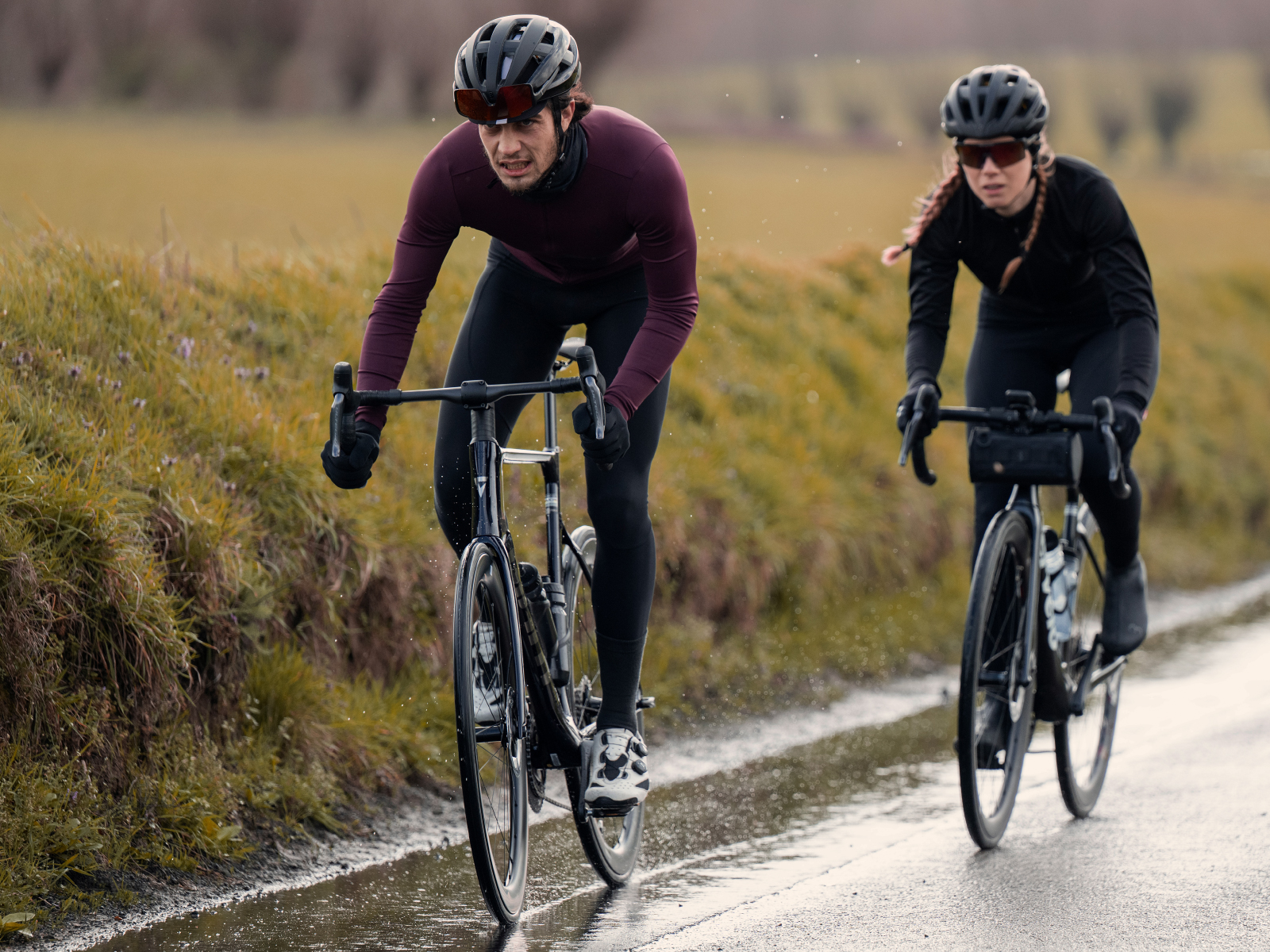
And that covers our summer apparel! With the tips above, you’ll be able to enjoy your gear ride after ride. As for jackets, rainwear, shoe covers, and winter gloves, they haven’t been forgotten. There are just a few additional care considerations for these items.
Winter gloves
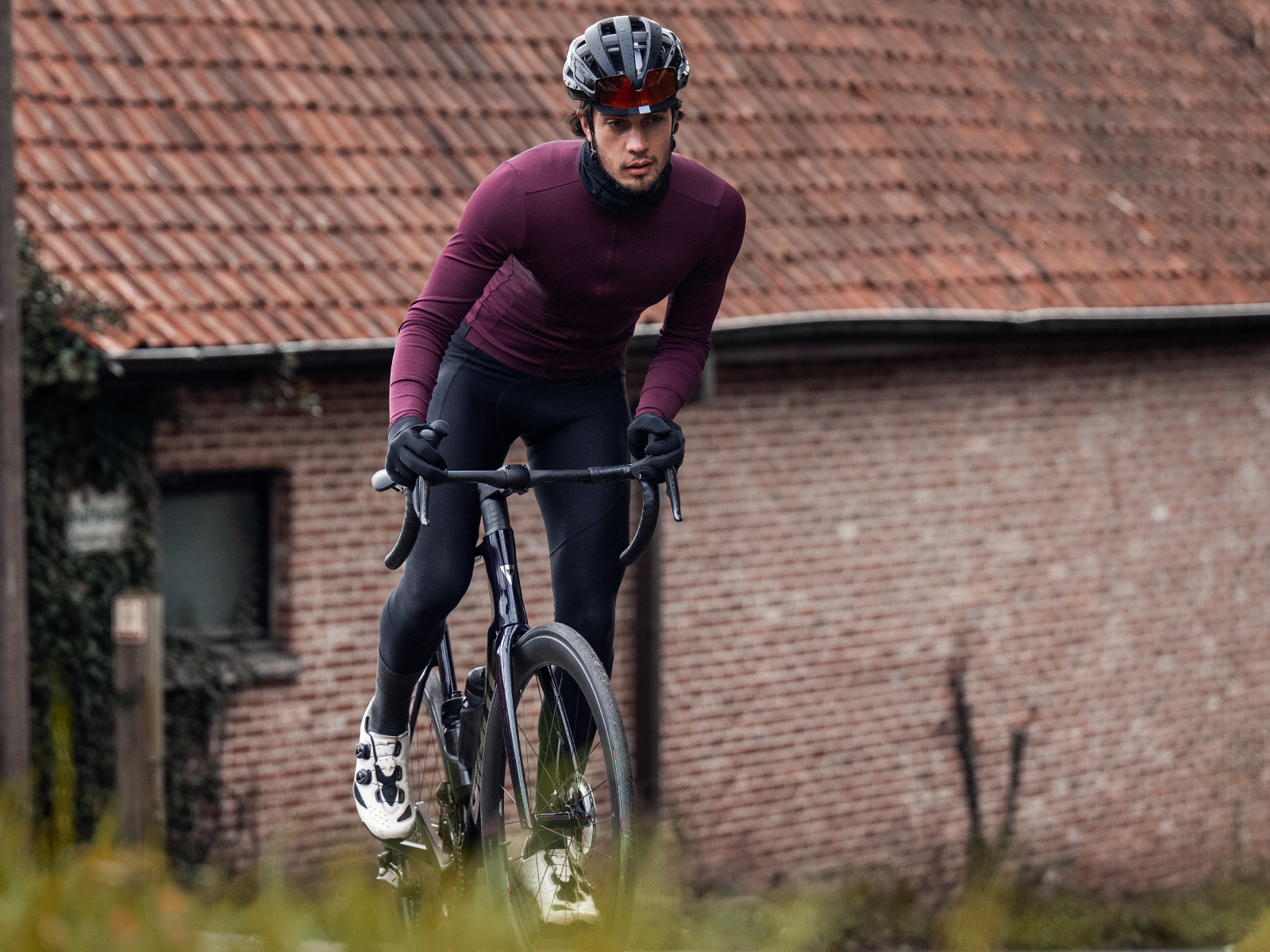
Sweat and dirt can quickly build up in winter gloves, so occasional washing is important, though washing too often may wear down the materials. To keep your gloves in top condition, select a delicate wash cycle with low spin and turn them inside out to protect the outer layer; however, some wear on reflective layers may still occur over time. Be sure to fasten any Velcro to prevent it from damaging other clothing. Avoid drying gloves on a radiator, as this can degrade synthetic leather, rubber, waterproof membranes, and reflective materials. Instead, let them air dry, and if they’re very wet, insert a newspaper to absorb moisture.
Winter jackets
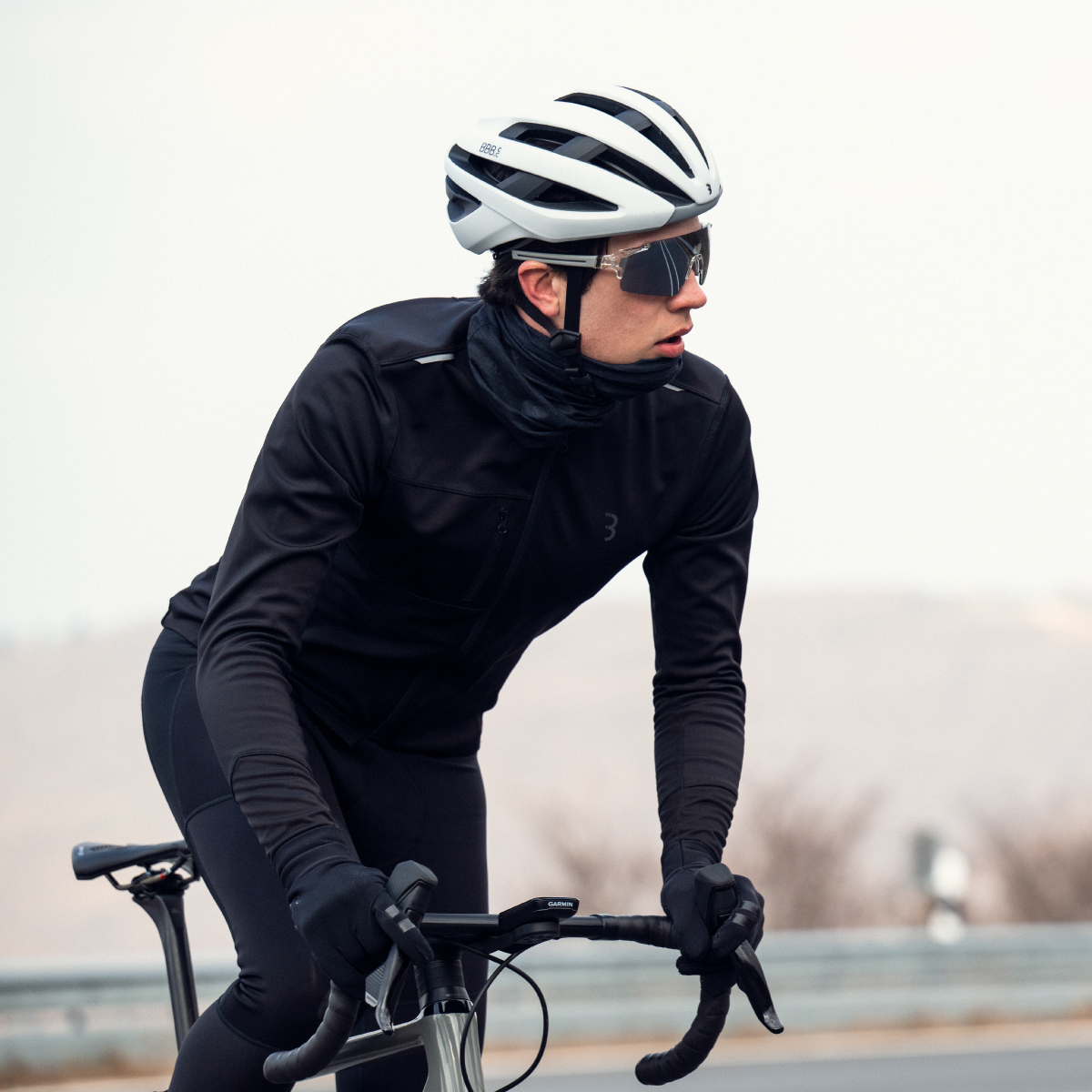
Before washing your winter jacket, consider whether it actually needs a full wash. As the outermost layer of your cycling kit, jackets typically don’t absorb as much sweat as other layers. Many stains can be spot-cleaned with a bit of warm water and soap. If you do decide to wash your jacket, turn it inside out, close all zippers, avoid fabric softener, and air dry it on a clothesline.
Rainwear
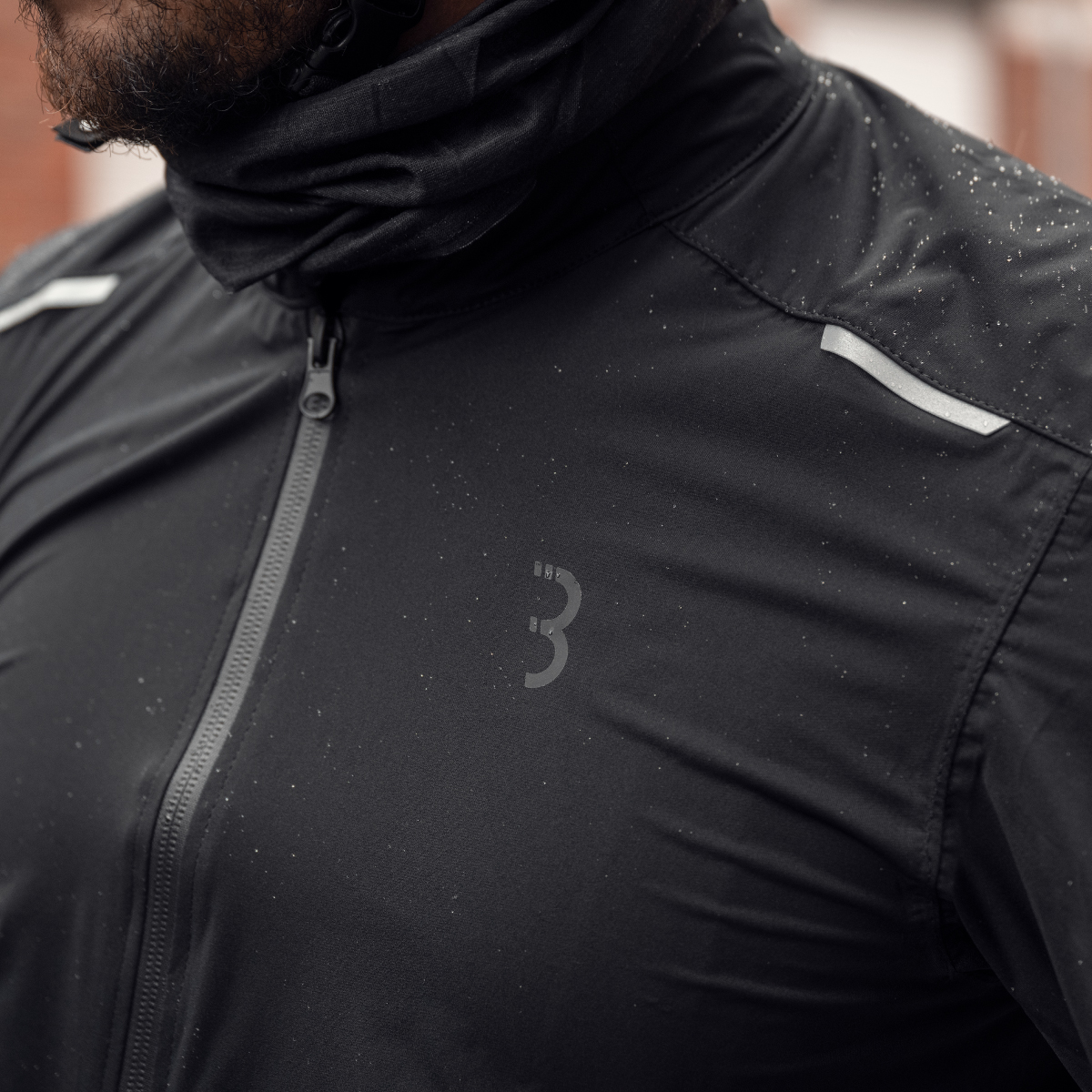
Rainwear can be washed, but doing it the right way is paramount! The materials rainwear is made of are often even more delicate than other garments. It is therefore even more important to follow the general instructions and definitely consider washing your rainwear by hand.
Shoe covers
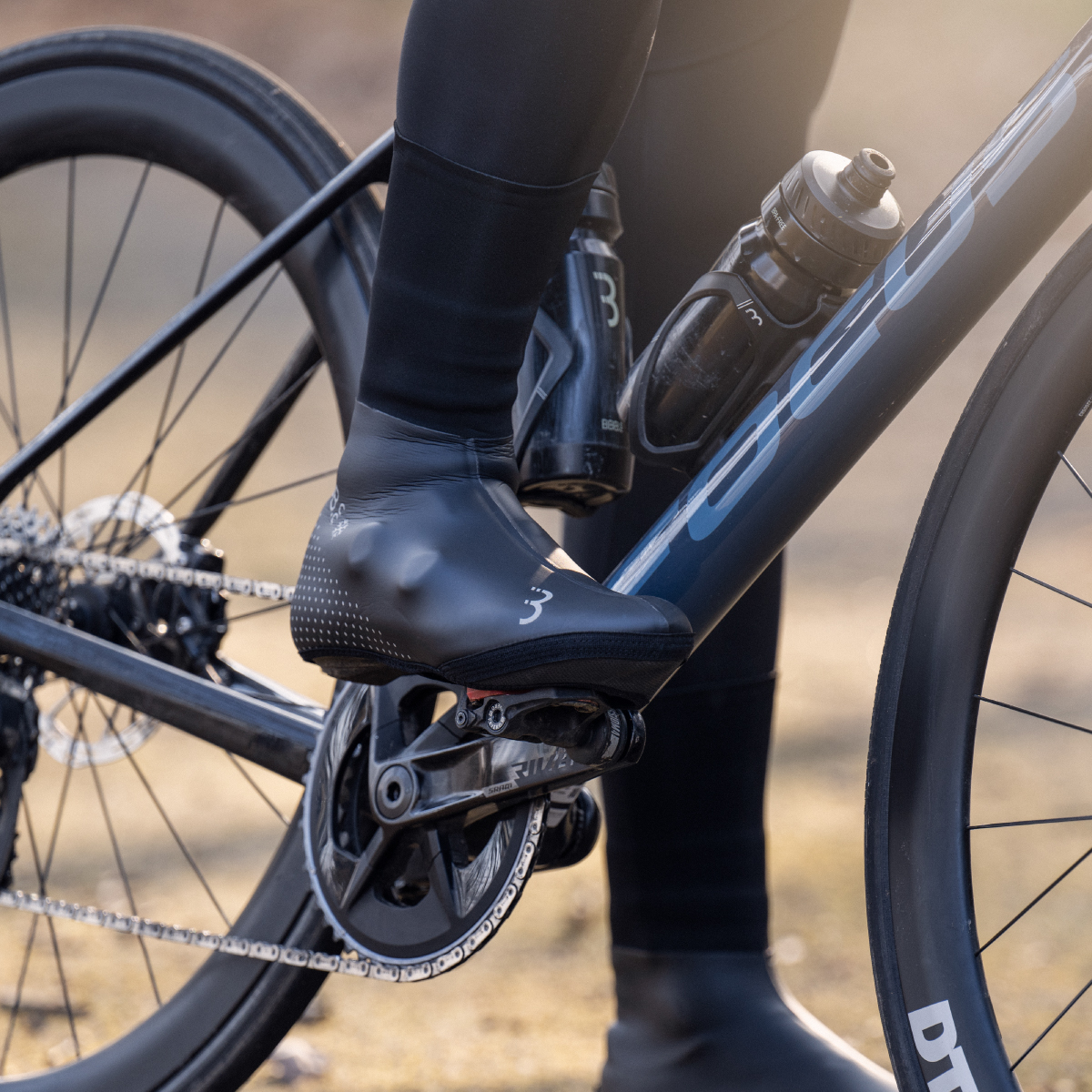
Shoe covers can be machine washed, but first consider whether a rinse might be sufficient. If you choose to machine wash them, turn them inside out and ensure the Velcro is securely fastened. As with gloves, avoid drying shoe covers on a radiator; instead, let them air dry. Remember, delicate fabrics and materials require special care. Even though these items protect you in harsh conditions, washing and drying can impact their color, stretchability, and other functional properties.
A little bit extra care
Whether it’s your favourite jersey, a trusted pair of winter gloves, or a rain jacket, we all want our apparel to last. Proper care like washing, drying, and storing plays a crucial role in maintaining your garments. With the tips and instructions above, you’ll be able to enjoy your gear for years to come. Just a bit of extra care can make a big difference in extending the lifespan of your apparel!