

All about our seatposts
A seatpost has a major impact on your position and comfort on your bike. More than you might think. It is a very important part of your bike that can make or break your rides. In this buyer's guide, we explain everything you need to know about seatposts. Because the right seatpost is different for everybody, but it will support your position on the bike. Keep reading and discover the right seatpost for you and your bike!
Diameter
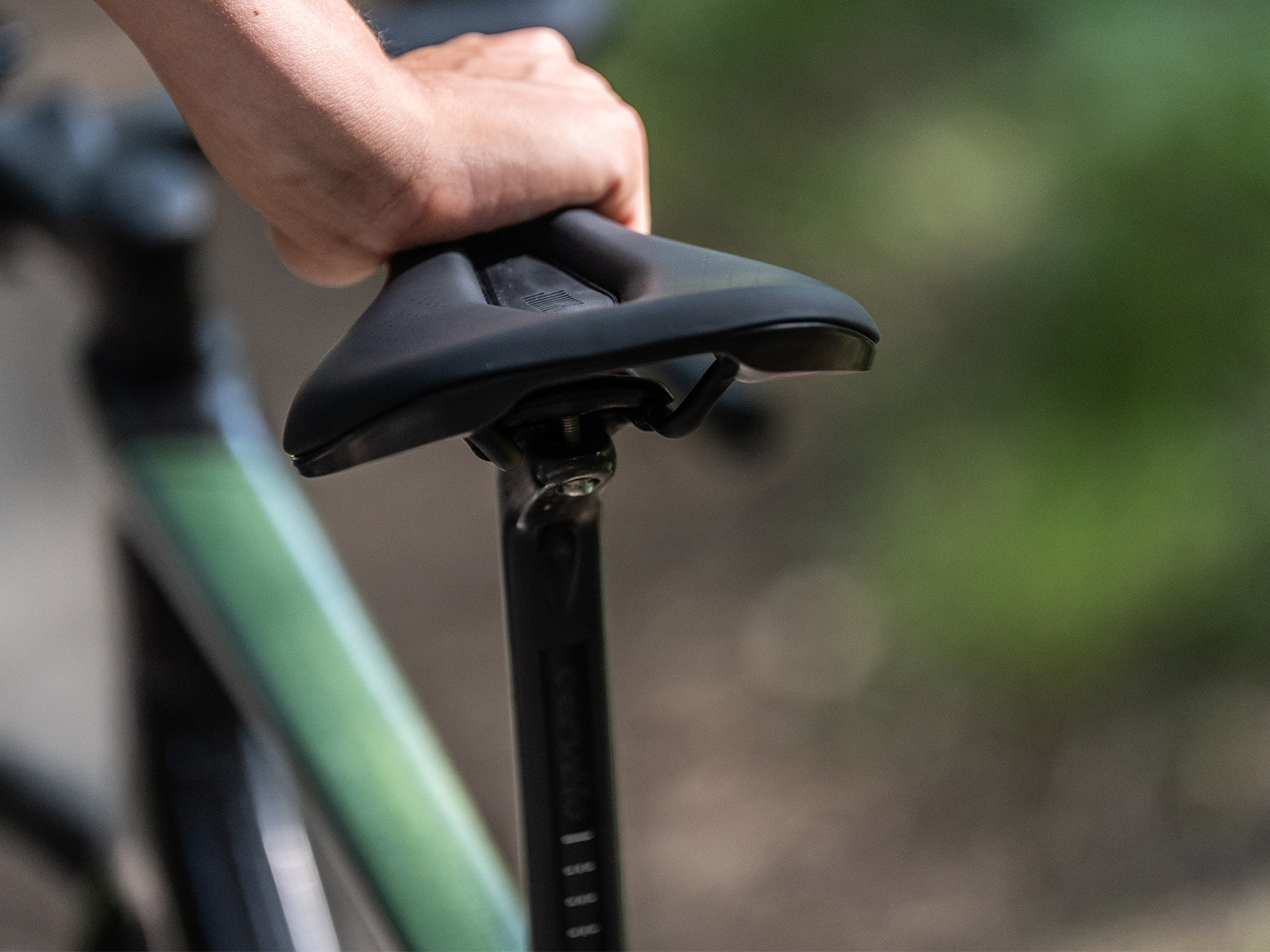
Selecting the right seat post starts with determining the correct diameter. So, you need to know the diameter of your seat tube. This is the tube of your frame where the seatpost slides in. The inside diameter will probably lie between 25 and 35 millimetres. The most common sizes are 27.2, 30.9, and 31.6 mm. It is important that the inside diameter is measured very precisely with a calliper to make sure you have the right seat post size.
Seatpost dimension
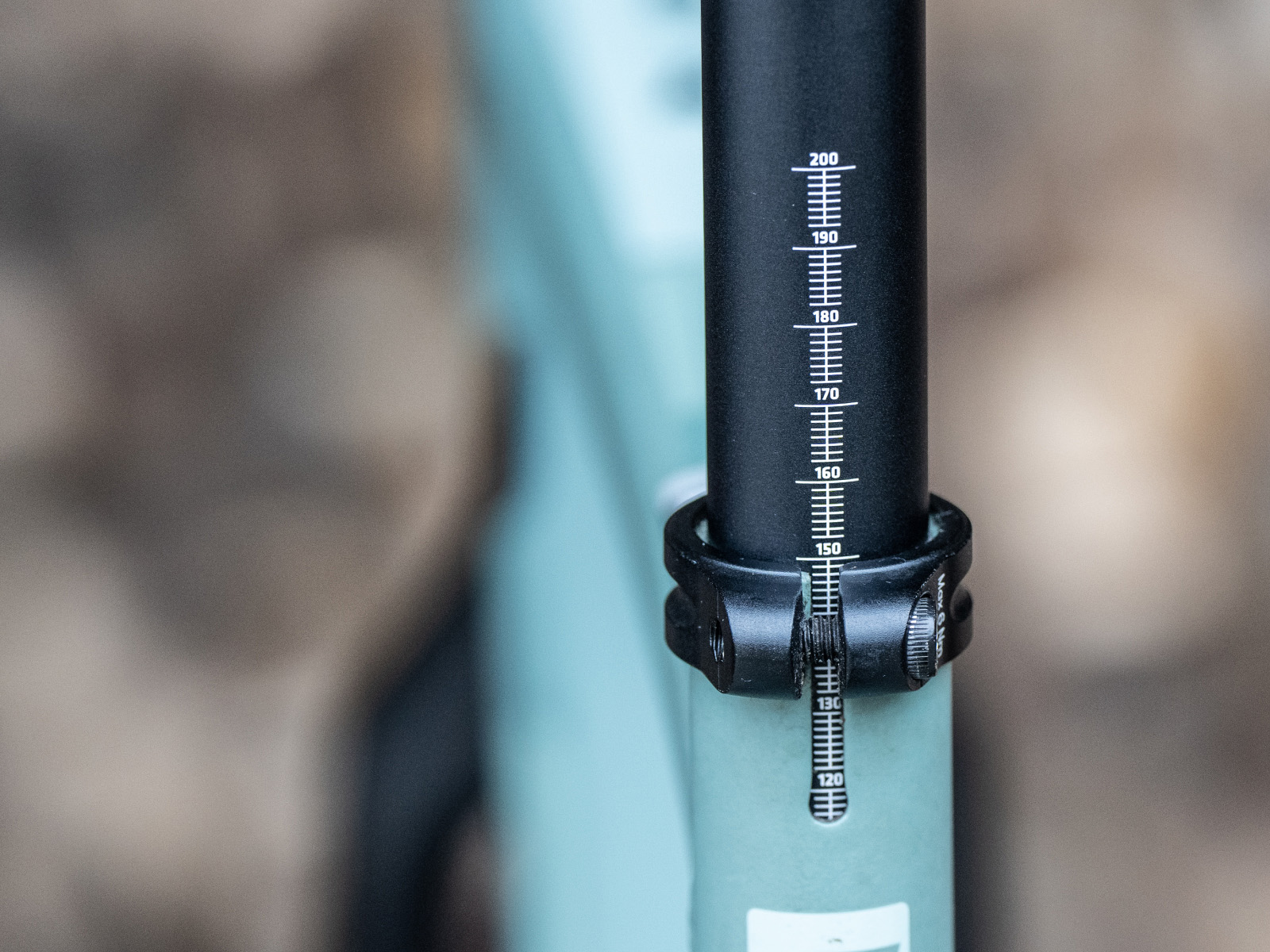
Besides the diameter of the seatpost, there are a few other dimensions that are of importance. Below, we will explain these measurements and how they affect your position on the bike. We will talk about the offset, height, and saddle angle.
Offset / Setback
The setback or offset of the seatpost is the distance between the midline of the seatpost and the position where the saddle is mounted. Many seat posts have a 'zero offset' or, in other words, the saddle is directly in line with the centre of the seatpost. A seatpost like our FlyPost has an offset of 25 mm. So, the saddle is mounted 25 mm behind the midline of the seatpost. Obviously, you can always slide your saddle further forward or backwards along its rails. The offset acts as a neutral position of the saddle with a range forward and backwards.
The offset has an impact on your position on the bike because of the distance to the handlebars and the relative distance to the bottom bracket. The right offset of your seatpost can act as a good base to build the rest of your bike fit on. Besides, an offset often reduces vibration as it works like a suspension due to the indirect alignment with your bike frame. For advice about the offset, it is best to ask a bike fitter of your bike shop to make sure you will get the optimal position on your bike.
Insertion Depth
The seatpost can be fixed at different heights. For safe usage of the seat post, there is a limit to this height. The seatpost cannot be completely extended to its full height, nor also not be completely inserted into the frame. On all our seatposts, you will find a maximum and minimum height indicated on the back. Besides, always check your bike frame for any indicators of how high or low your seatpost is allowed to go for safe usage.
Angle adjustability
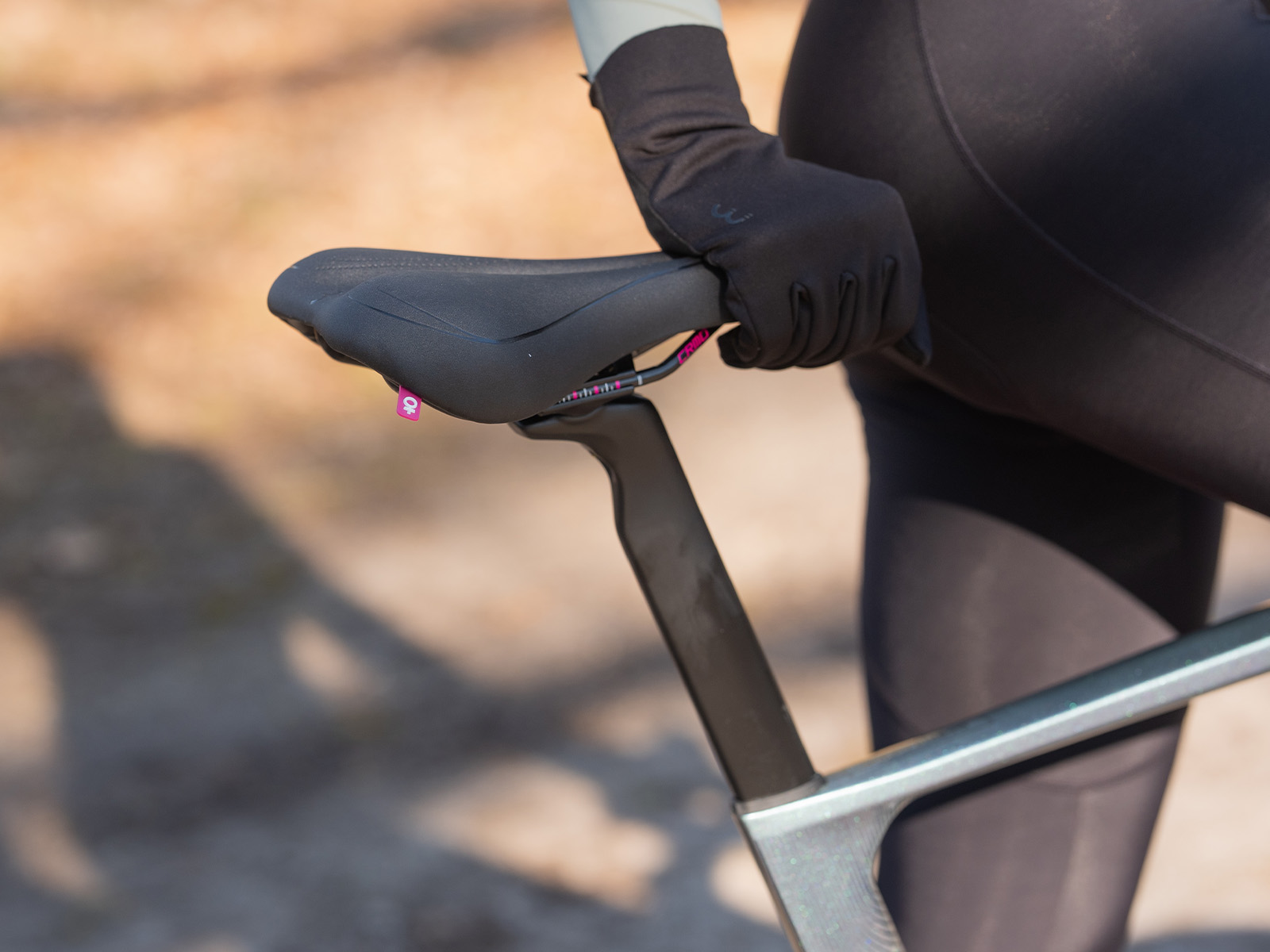
The angle of the seatpost about the seat tube cannot be changed. This completely depends on the dimensions of your bike frame. However, this has a major impact on your position on the bike. A big angle (relatively to a vertical line) causes a bigger horizontal change when the saddle is put up or down. In other words, if your bike has a large seat post angle, the saddle will go much further backwards when the seatpost is extended. For advice about this, you can best ask your local bike shop or bike fitter. They can exactly explain to you how you can create the best possible position for you on the bike.
Different materials
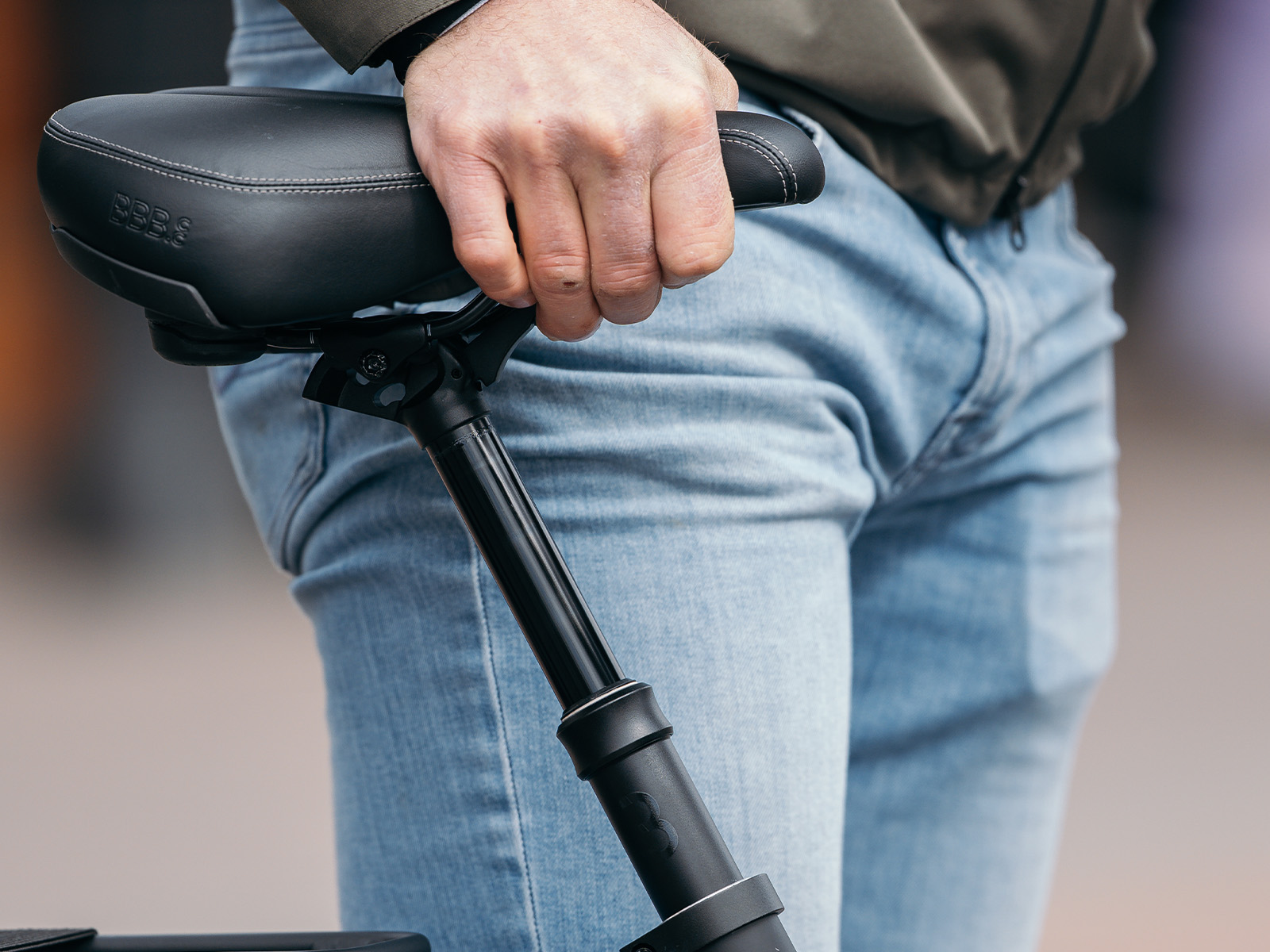
Our seatposts are made with the best materials. We use three different materials for the best possible outcome in terms of reliability, strength, comfort and weight. Below we explain out materials further.
2014 T6 Aluminum
This type of aluminum is often used in the aviation industry because of its reliability and lightweight performance. Our ElitePost is made out of this material for maximum shock absorption and uncompromised strength.
6061 T6 Aluminum
A material that we use in many of our products because of its wide applicability and great properties. 6061 T6 aluminum is lightweight and very strong. Because of its special hardening process, this material is prepared for everything you might encounter on your bike rides.
Carbon fiber
Carbon fiber is well-known for its lightweight. But this is not the only reason why we have used it for our FlyPost seatposts. Carbon fiber is very suitable to absorb the vibration of the road surface. This will increase your comfort and prevents you from getting tired too quickly. Besides, a carbon seat post is produced in a mold. This way there are no welds, which makes for a stronger and even more reliable and lightweight seatpost!
Seatpost clamps
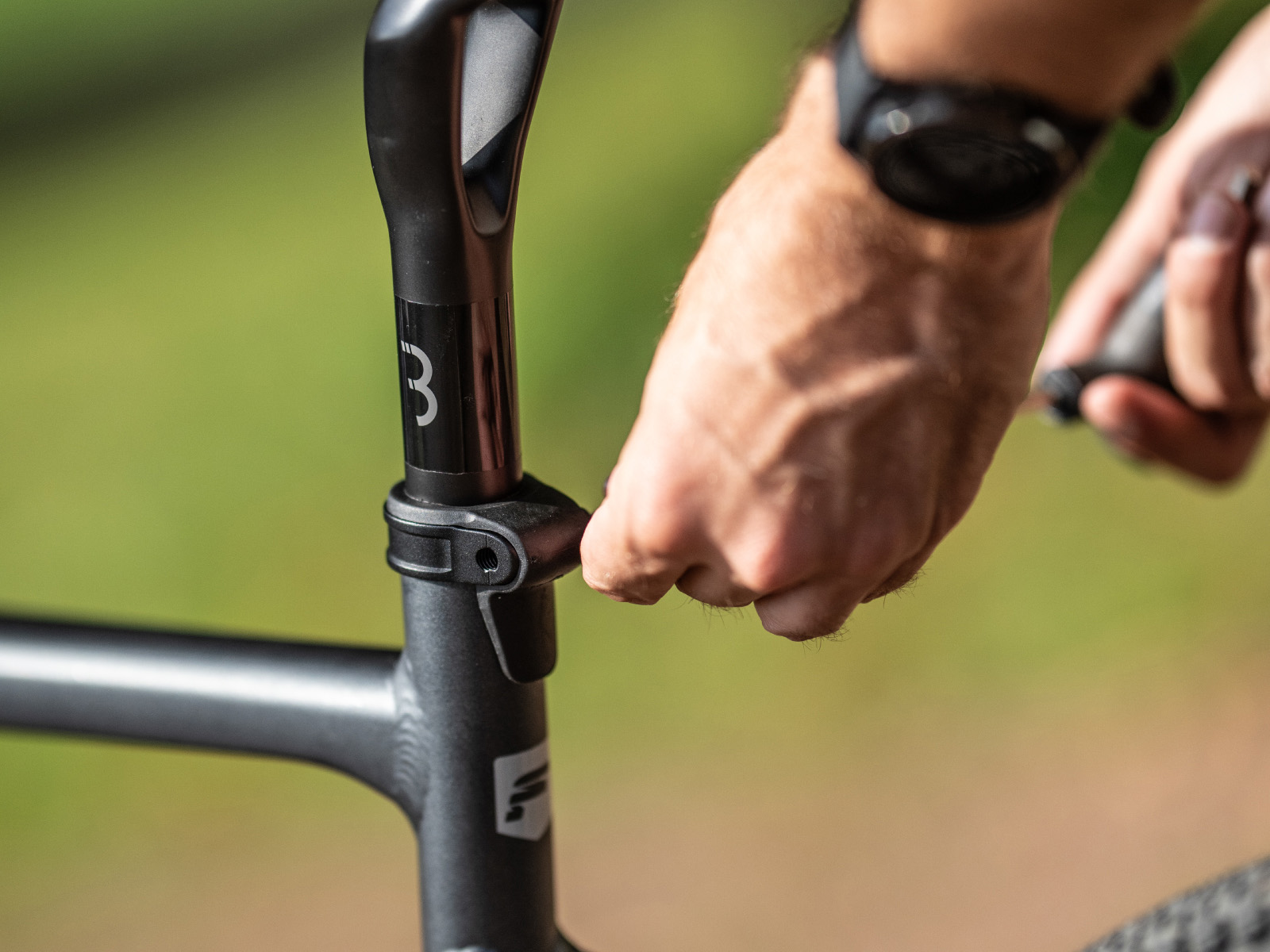
The seatpost clamp is the ring on your bike frame that clamps around your seat post. Seatpost clamps are available in many shapes, colors, and sizes. It is important to make sure you pick one with the right inside diameter, just like your seatpost. After that, you can decide for yourself what you find important in regards to weight, appearance, and convenience.
You can simply make a rough division between seatpost clamps with and without a quick-release lever. A quick-release lever makes it easier to quickly change the height of your saddle. A bolt fixture on the other hand results in a neat and lightweight solution.
Assembly
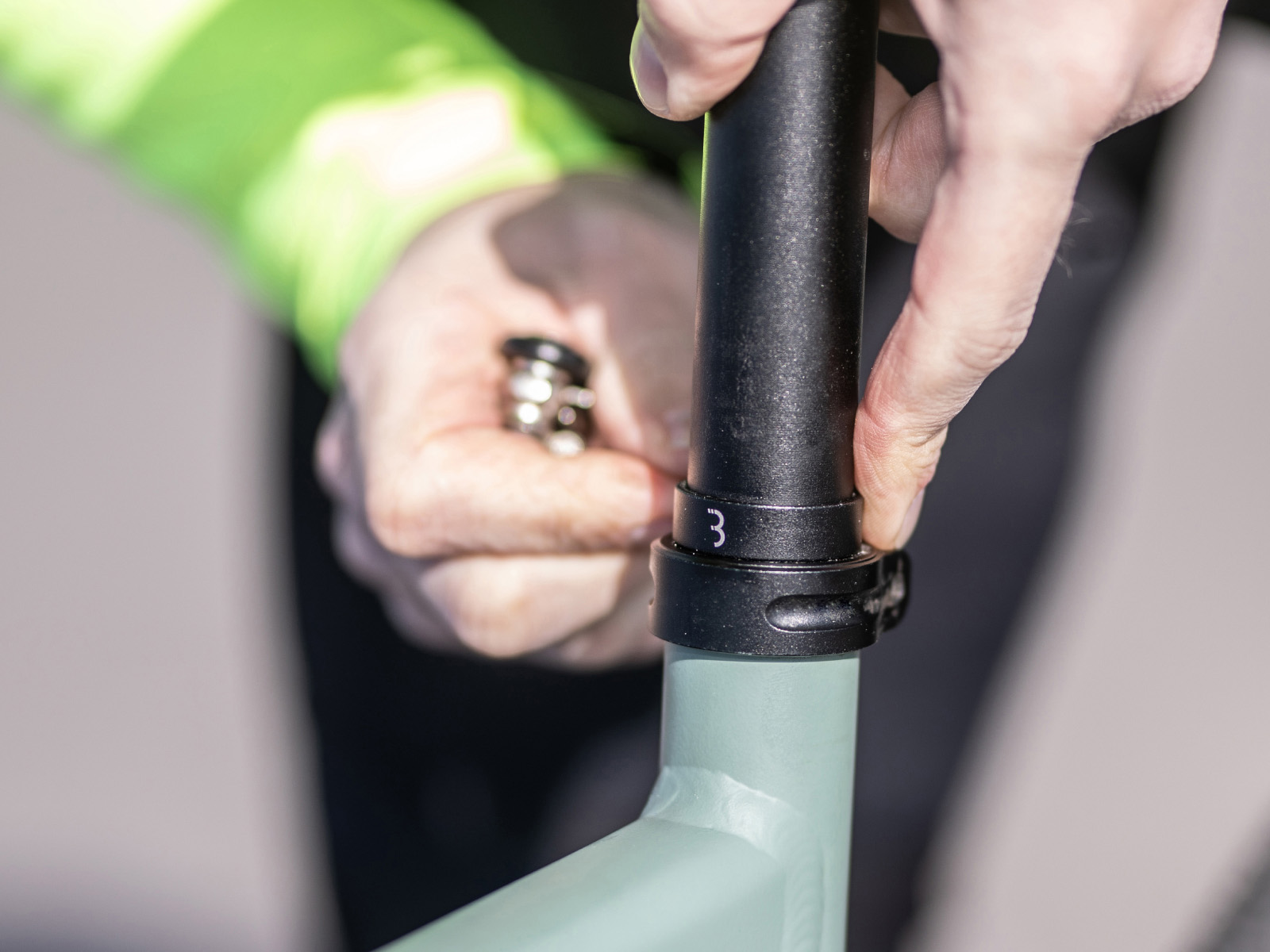
Assembling the seatpost consists of two parts: mounting the saddle on the seatpost and mounting the seatpost on your frame. It is often easiest to start by mounting the saddle on your seatpost first. This way, you can use your saddle as a reference when the seatpost is mounted in the frame. Later on, you will probably have to adjust the position of your saddle a bit for the exact right position. Below, both steps are explained to make sure you can attach both your saddle and seatpost in a safe way.
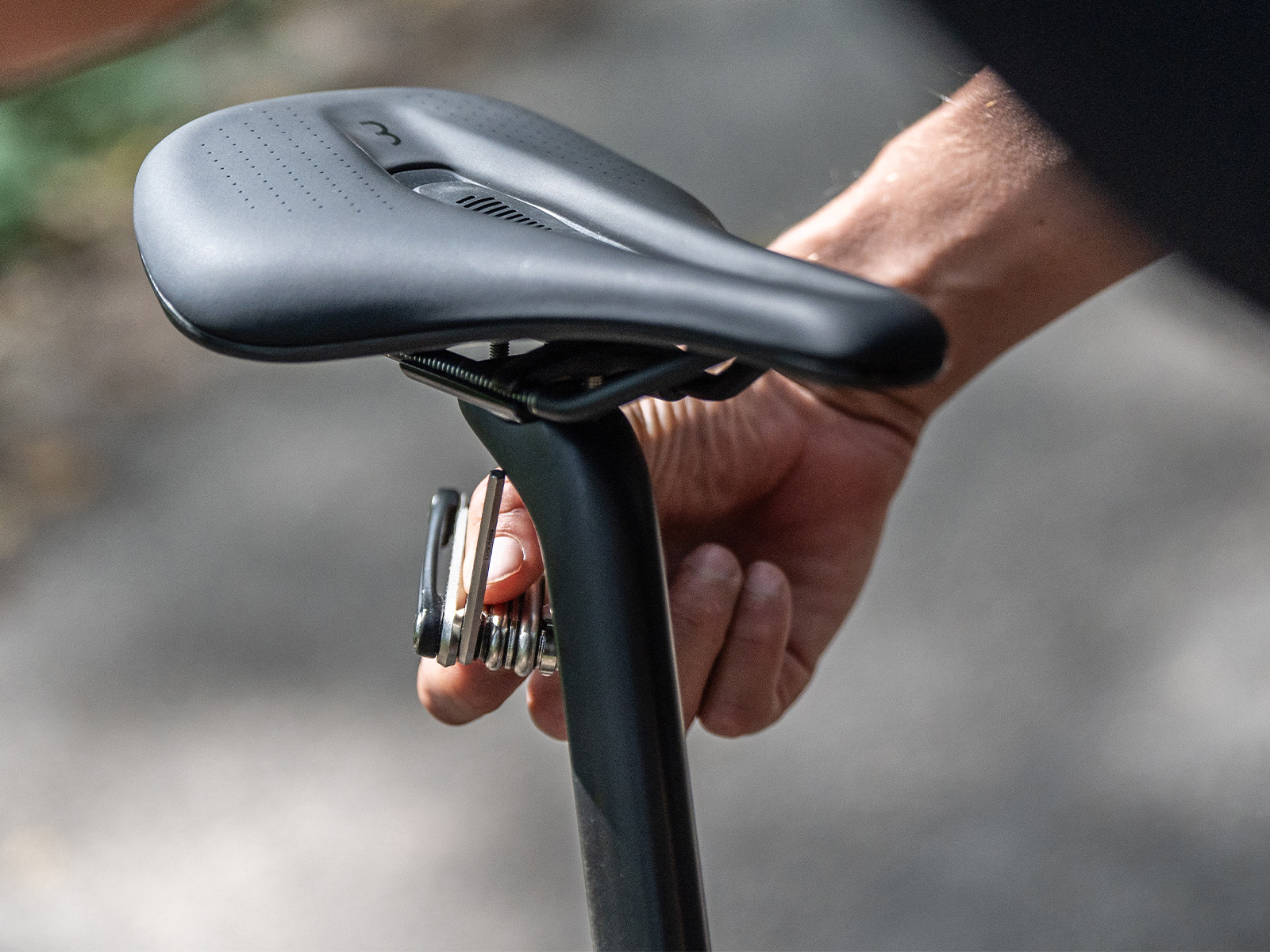
The saddle on the seatpost
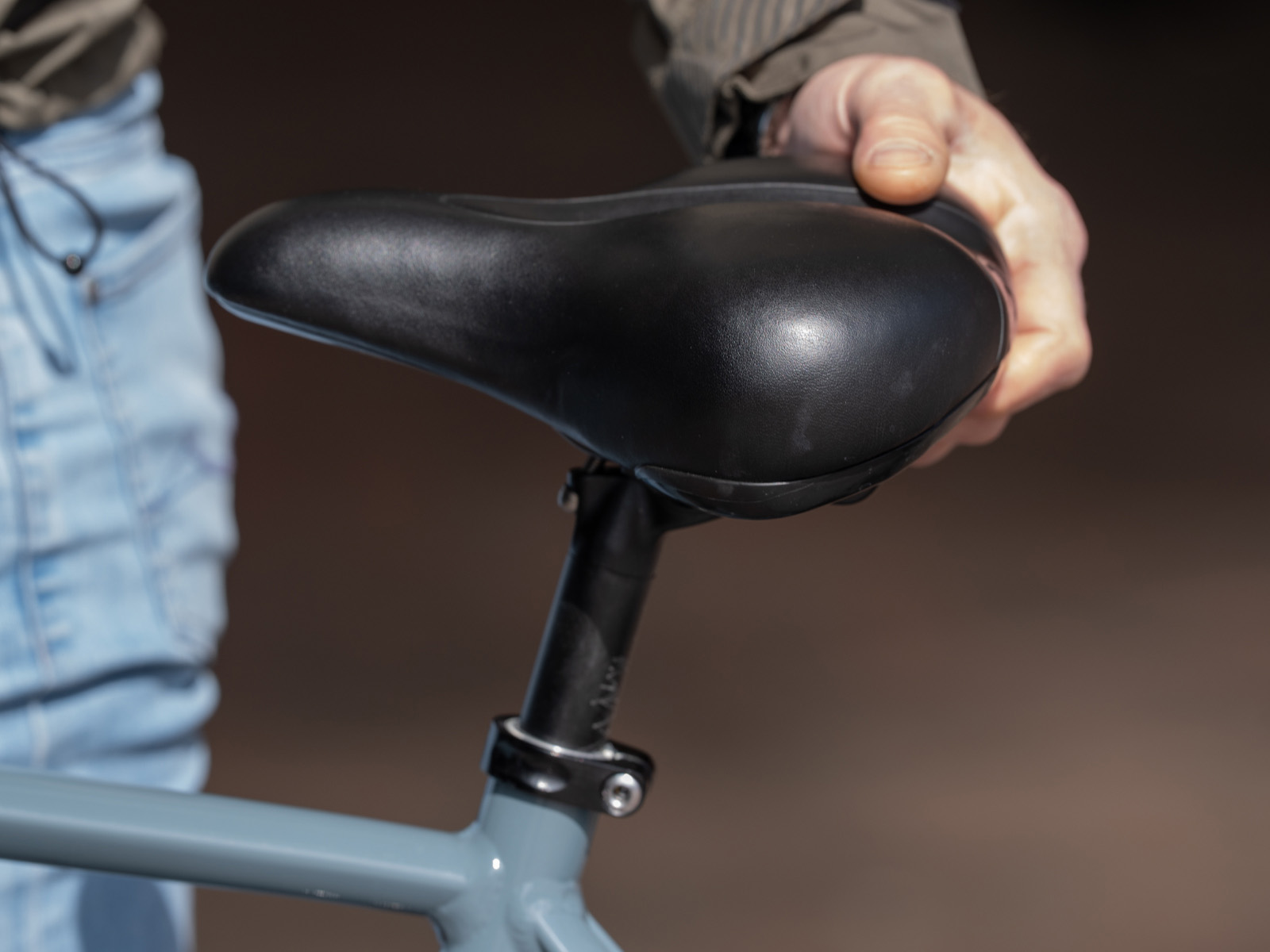
Mounting your saddle onto your seatpost is a precise job. We advise you to first mount your saddle in roughly the right position. After mounting the seatpost to your bike frame, you can adjust your saddle. The mounting system (where the rails of the saddle are clamped on the seatpost) can be made with one or two bolts that have to be tightened. Firstly, tighten the front bolt with the rails of the saddle on it. Make sure the saddle is placed at the right angle. Then, tighten the bolt at the back to clamp the saddle onto the seatpost. To avoid damage or failure of the saddle or seat post, always make sure you check the saddle for the right torque and do not tighten the bolts beyond that point.
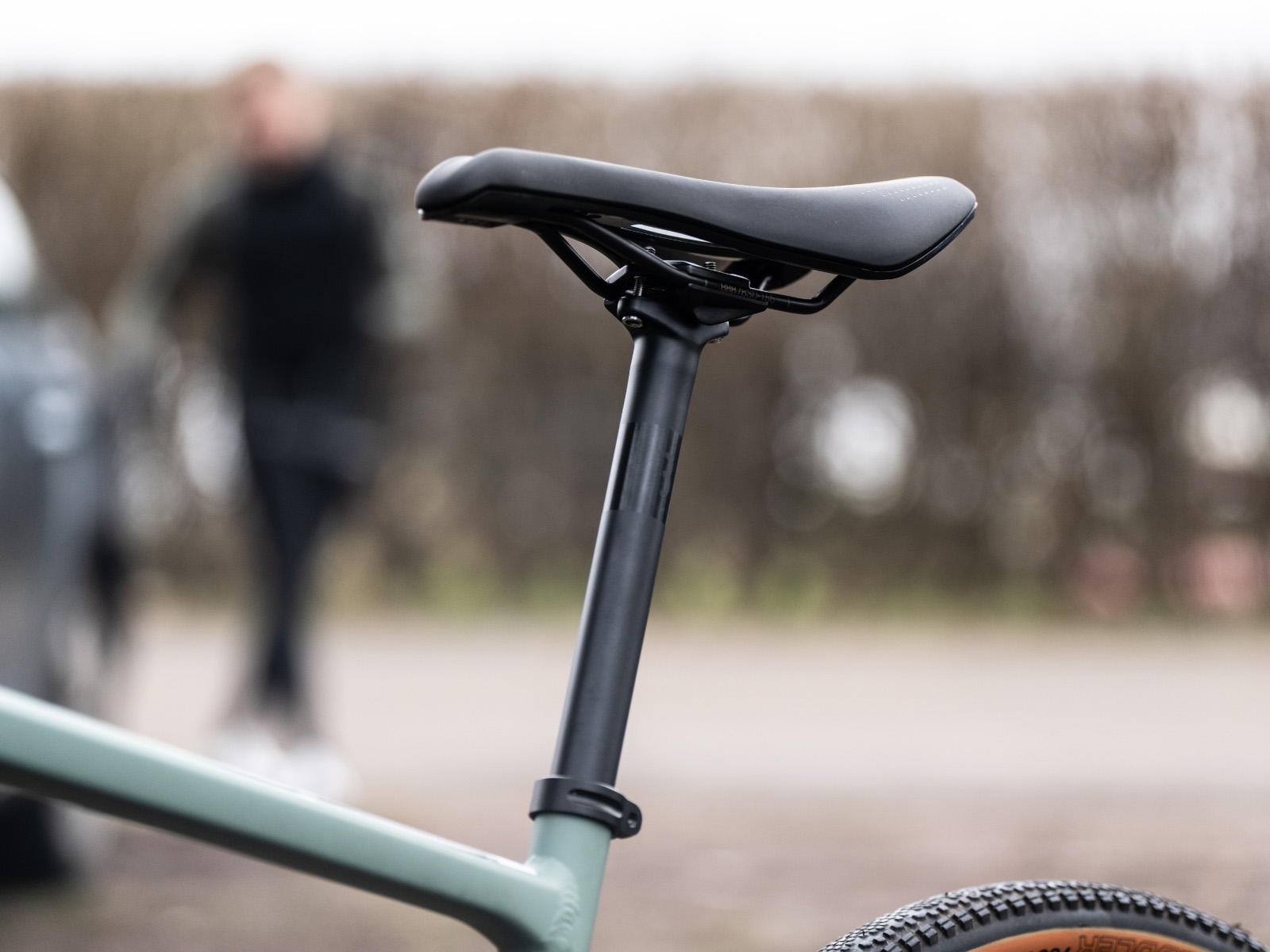
The seatpost on your frame
And now, mounting the seatpost to the bike frame. As explained above, make sure your seatpost is never fixed above the maximum height or below the minimum height. Determine the height of your saddle according to the length of your legs and the position you want on the bike. A good rule of thumb is to sit on the saddle with one of your legs on the pedal, completely rotated downwards. In this position, your leg should be almost completely stretched, with maybe a couple of centimetres of play.
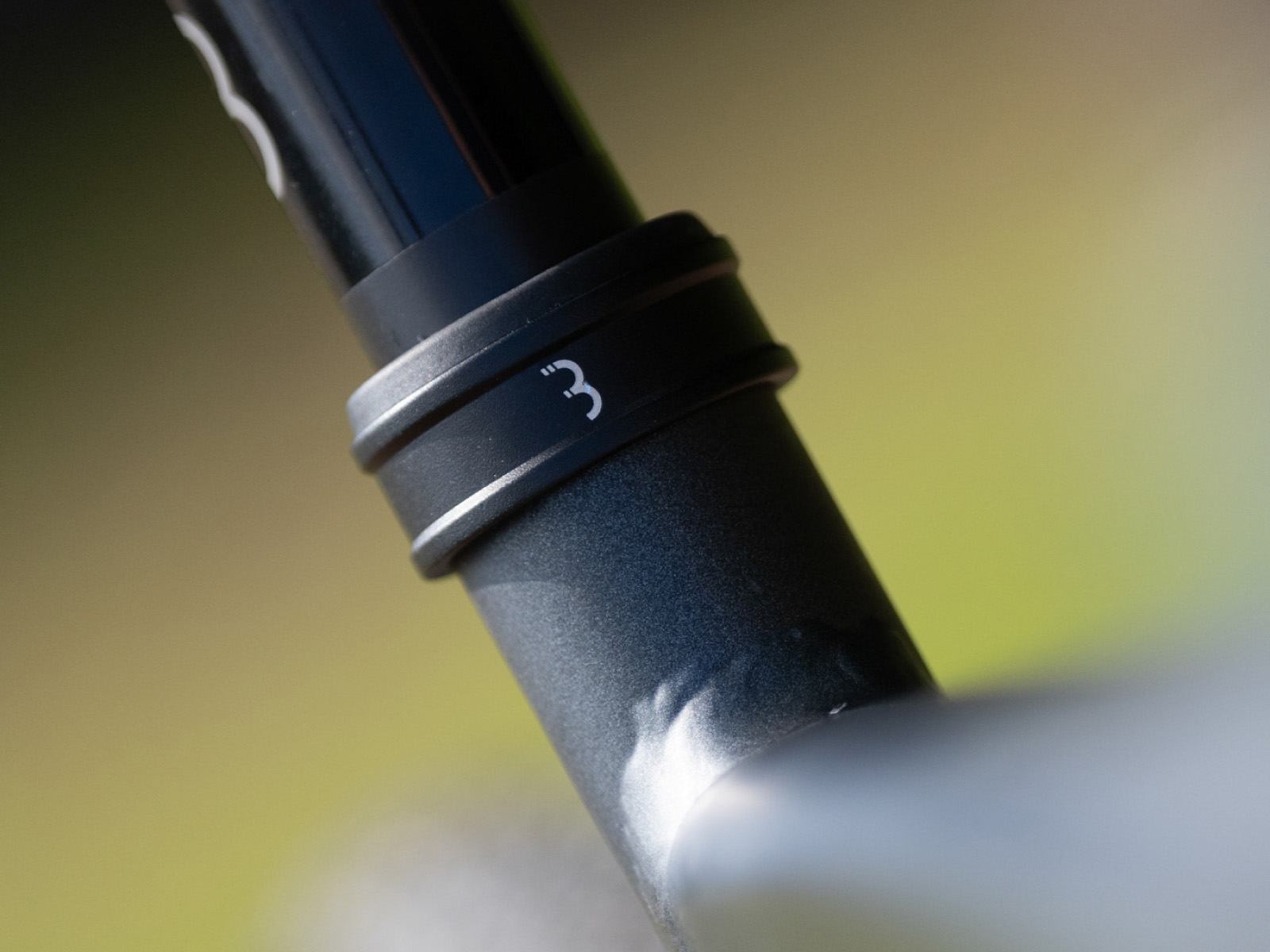
When you have found the right height, tighten the seatpost clamp. Make sure the saddle is perfectly straight according to the bike frame. Don't tighten the seatpost clamp too tightly. Often, the right torque (Nm) is written on the seatpost, bike frame, or seatpost clamp. If the seat post slowly starts to come down over a period of time, even though you have used the right torque, the PostFix might be a solution. This ring prevents your seatpost from coming down. After the seatpost is mounted, you can go back to your saddle and adjust the position for the exact right position for you!
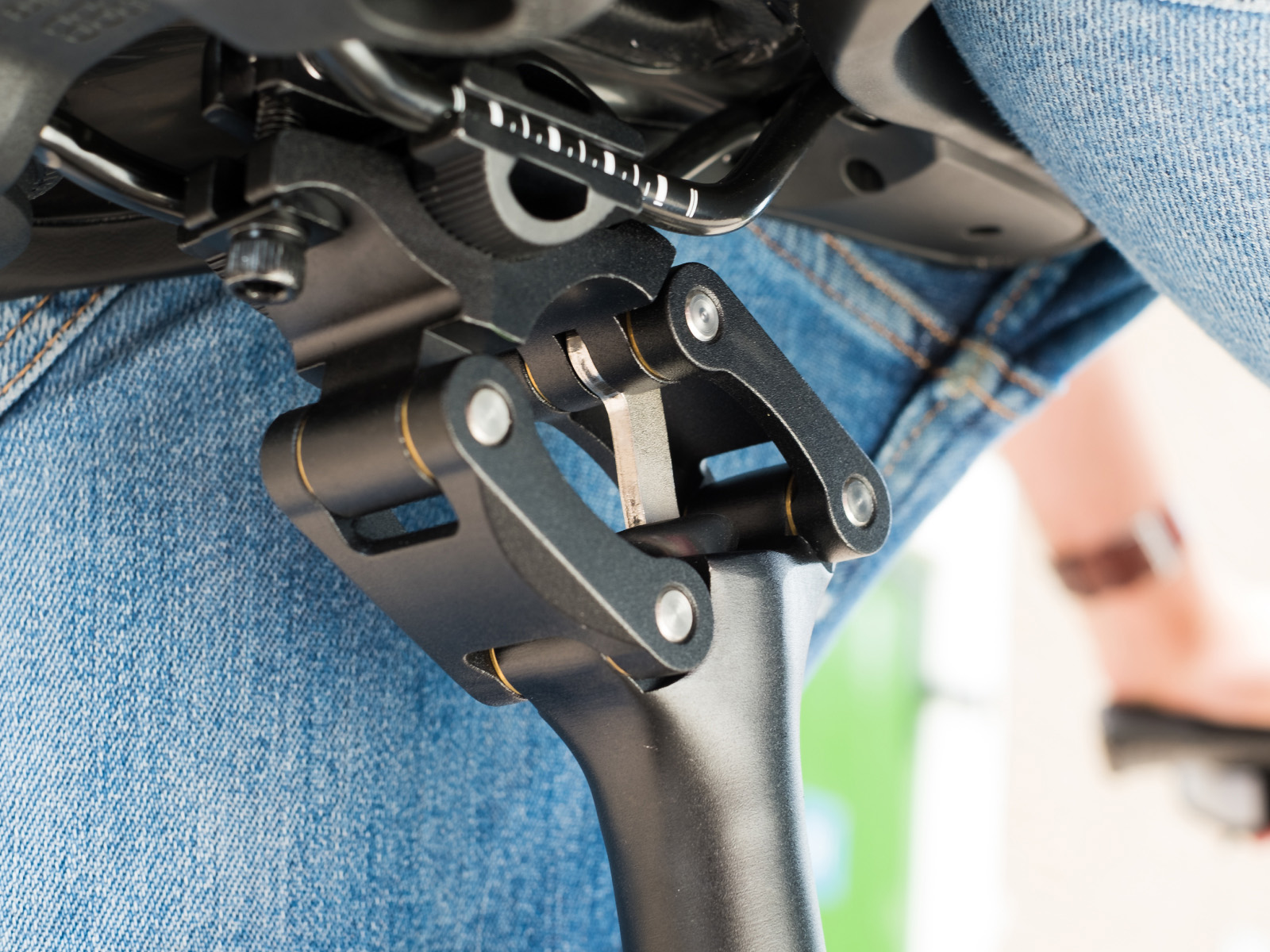
Suspended seatposts
In our assortment of seatposts, we also have two special ones. The ActionPost and the ComfortPost. Both models have a special suspension mechanism to absorb vibrations and shocks. The ActionPost works with the help of special elastomer pads that catch the shocks. This seatpost is mostly suitable for rough and sportive usage.
The ComfortPost works through the use of springs that allow maximal comfort. The comfort of your E-bike or city bike can be optimised for a smooth and happy ride. For more information about these two models, read our blog, where we also explain how you can change the suspension according to your body weight.

Find your seatpost
The seatpost is an often forgotten part of your bike. Even though it has a great influence on the comfort of your rides. The seatpost supports most of your body weight on the bike after all. Hopefully, the information above has brought you a bit closer to the exact right seatpost for you. Luckily, we have something for everybody in our wide range of seatposts.